Latest
All published articles, newest first.
Issue #757: Django Migrations, Functional Programming, MVC, and More (2026-10-20)
PyCoder's Weekly Issue #757 covers Django migrations, functional programming in Python, and the MVC pattern. It includes a tutorial on building a small coffee and tea store using Django migrations, insights into functional programming in Python, and organizing web apps with the MVC pattern using Flask.

Building an AI Agent With LangGraph and Python
LangGraph is a Python framework for building stateful, cyclic, and multi-actor Large Language Model (LLM) applications. It extends LangChain's capabilities, allowing for complex workflows. A video course demonstrates building an email-processing agent using LangGraph, requiring intermediate Python and LangChain knowledge.
Rodrigo Girão Serrão: DX improvements in Python 3.15
Python 3.15 introduces improvements in developer experience with enhanced error messages, more colors, and default UTF-8 encoding. These changes aim to make coding in Python more intuitive and user-friendly. For detailed insights, refer to the original source.

Developing an AI Factory Digital Twin with an Agent-Assisted Workflow
Developing an AI factory digital twin involves integrating site plans, equipment assets, and engineering requirements into a consistent model for inspection and simulation. An editable workflow allows teams to explore design alternatives and incorporate feedback. NVIDIA Omniverse DSX Blueprint aids in this process.

How NVIDIA OpenShell Reference Architecture Secures and Governs AI Agent Workloads at Scale
NVIDIA's OpenShell Reference Architecture is designed to secure and govern AI agent workloads at scale. These autonomous agents can perform complex tasks, access files, tools, the internet, and even spawn other agents, which increases risks such as downloading code and requesting additional privileges. The architecture helps manage these risks.

Inside NVIDIA Sentry: Secure AI Agents at Runtime
NVIDIA Sentry is a security software framework designed to monitor AI agents and prevent them from crossing security boundaries. It operates outside the agent's reach to ensure they cannot alter or disable it, enhancing the security of AI systems.
- Advanced (300)
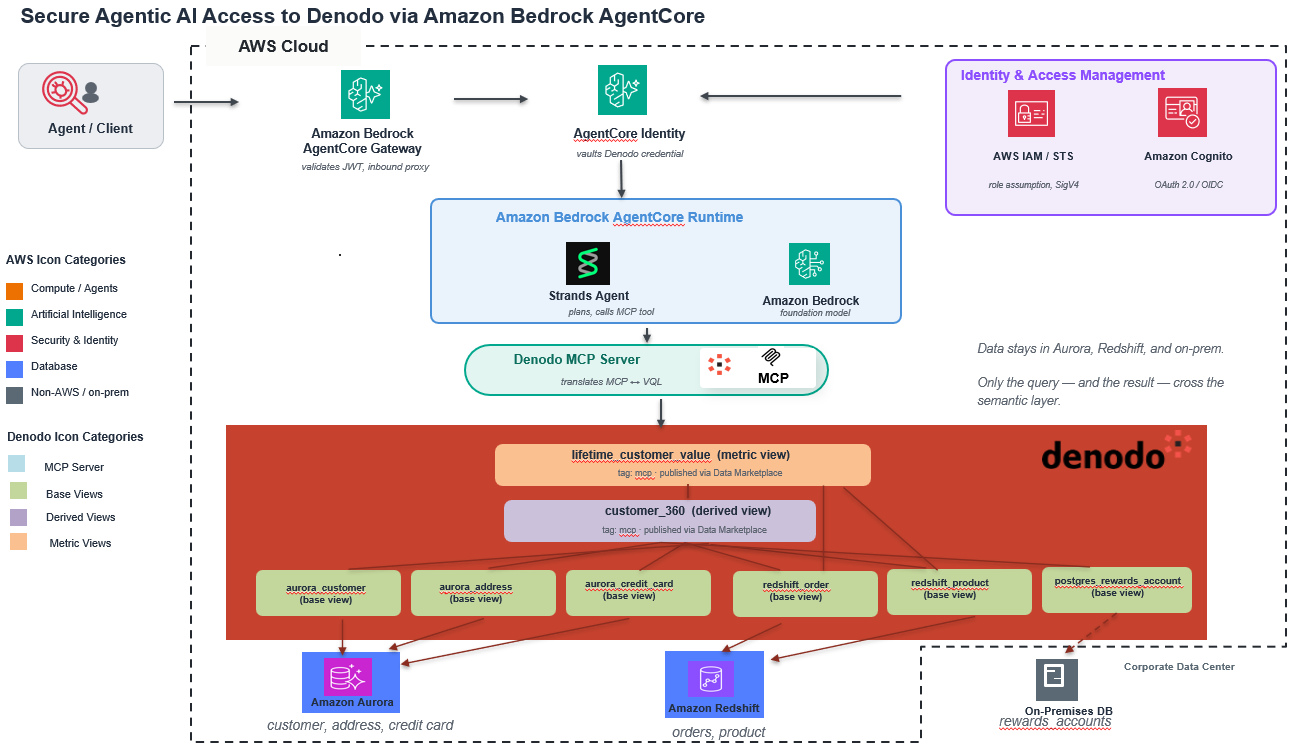
Build a semantic layer for agentic AI on AWS with Denodo and Amazon Bedrock AgentCore
AWS, in collaboration with Denodo and Amazon Bedrock AgentCore, has developed a governed semantic layer for agentic AI. This layer federates data from Amazon Aurora, Amazon Redshift, and an on-premises PostgreSQL database into a unified customer 360 view, enabling queries via VQL with identity propagation and access control.
- Amazon Bedrock
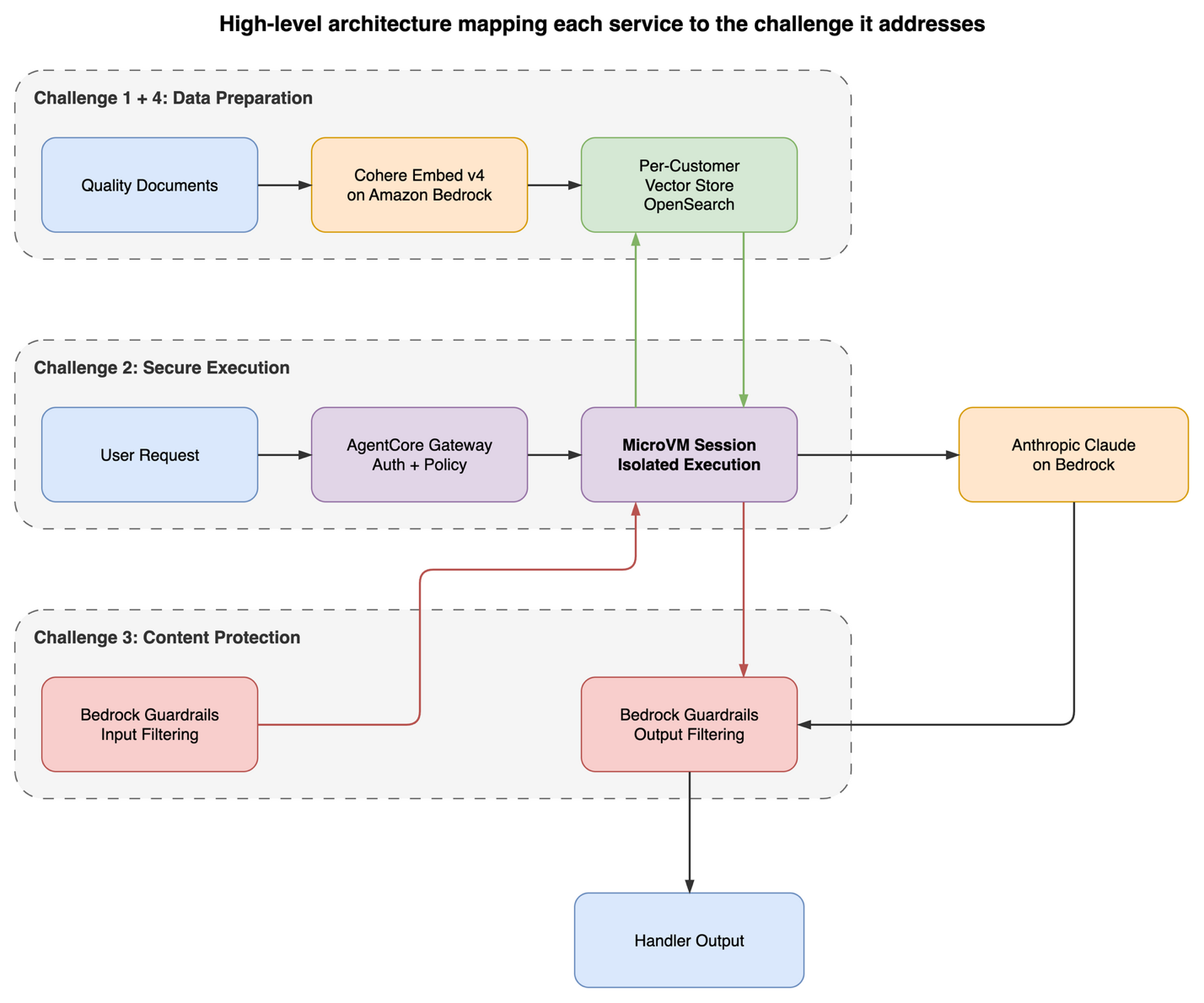
How Octave built a secure multi-tenant AI foundation on Amazon Bedrock
Octave has built a secure, multi-tenant AI foundation on Amazon Bedrock, utilizing Cohere Embed v4 for embeddings and Amazon Bedrock AgentCore for isolated agent execution. This setup supports a Complaint Triage Assistant that searches 2 billion regulated documents without crossing tenant boundaries.
- Advanced (300)
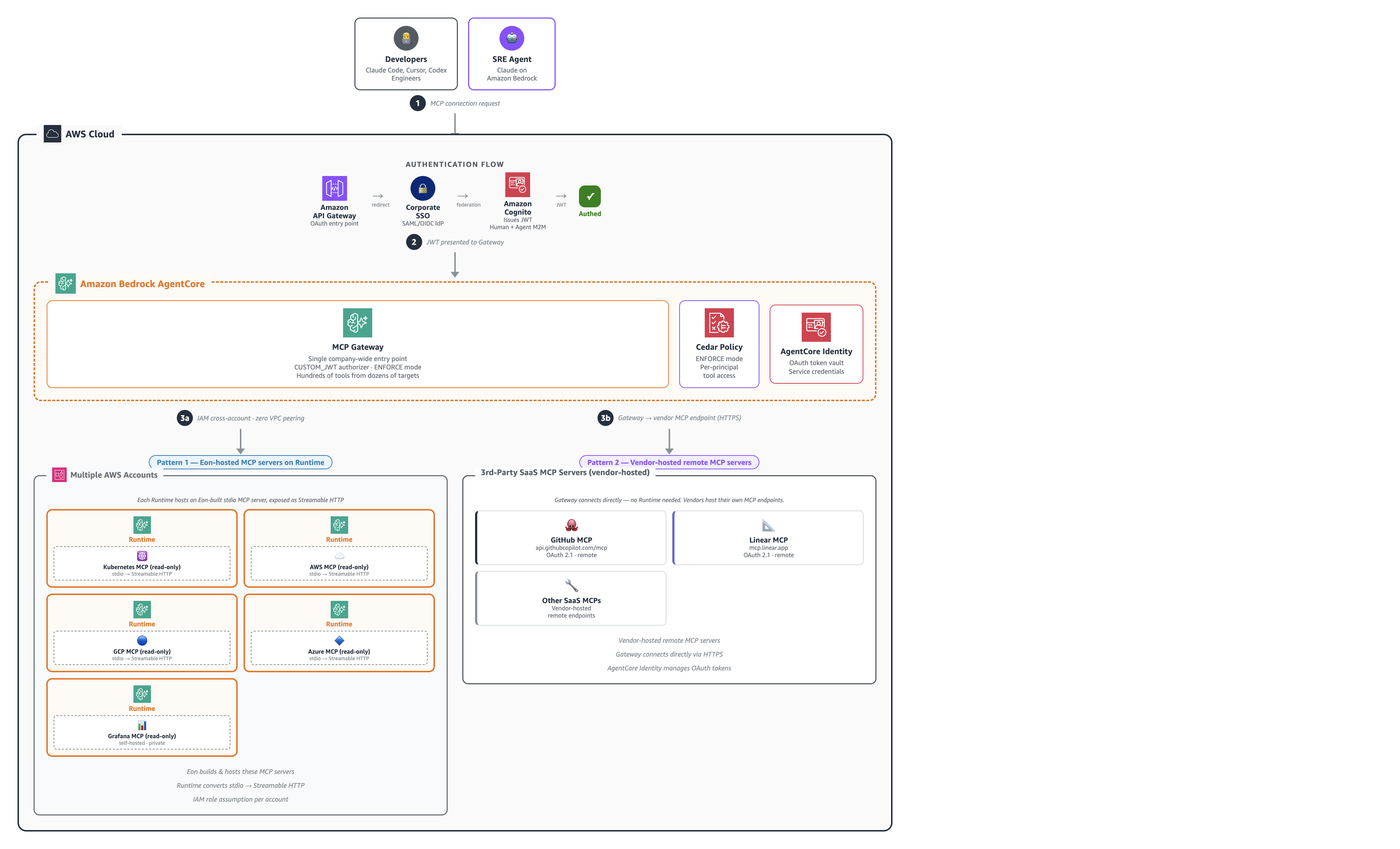
How Eon built multi-cloud investigation with an MCP Gateway on Amazon Bedrock AgentCore
Eon has implemented a unified Amazon Bedrock AgentCore gateway to replace per-tool credentials and local MCP processes across AWS, GCP, and Azure. This has streamlined production investigation access for over 100 developers and reduced new engineer onboarding time from two days to two minutes.
- AI in practice

Deepseek open-sources the inference engine that powers its fastest and cheapest AI model
Deepseek has open-sourced DeepInfer, the inference framework behind its fast V4.1-Flash model. This vLLM-based system reduces compute costs and energy use, increasing pricing pressure on Western AI providers like OpenAI and Anthropic.
- AI in practice

OpenAI says GPT-6 is much better with legacy programming languages such as COBOL and Fortran
OpenAI has improved its models for legacy programming languages like COBOL and Fortran. The GPT-6 Astra model achieved an 87.4% test pass rate on the MultiLangBench, a significant improvement from GPT-5.6 Terra's 38%. GPT-6.1 Sol reached 97.9% accuracy for COBOL migration, aiding modernization of financial infrastructure.
- Advanced (300)
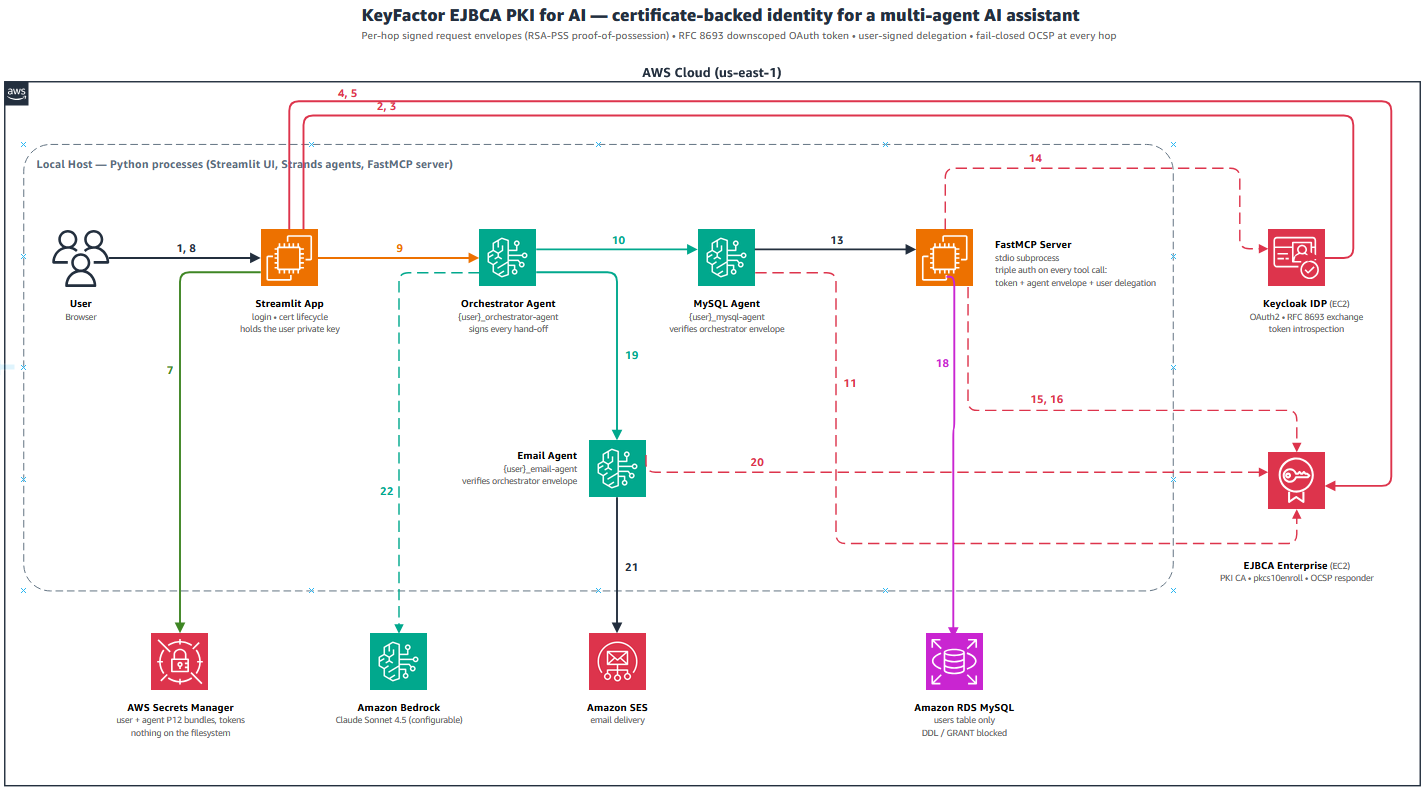
Securing AI agent identity with X.509 PKI on AWS
The article discusses securing AI agent identity using X.509 PKI on AWS, leveraging Keyfactor EJBCA and AWS services. It details a reference architecture that uses signed request envelopes, user-signed delegation assertions, RFC 8693 audience-scoped tokens, and real-time OCSP revocation to ensure agent identity and prevent request forgery.
- Advanced (300)
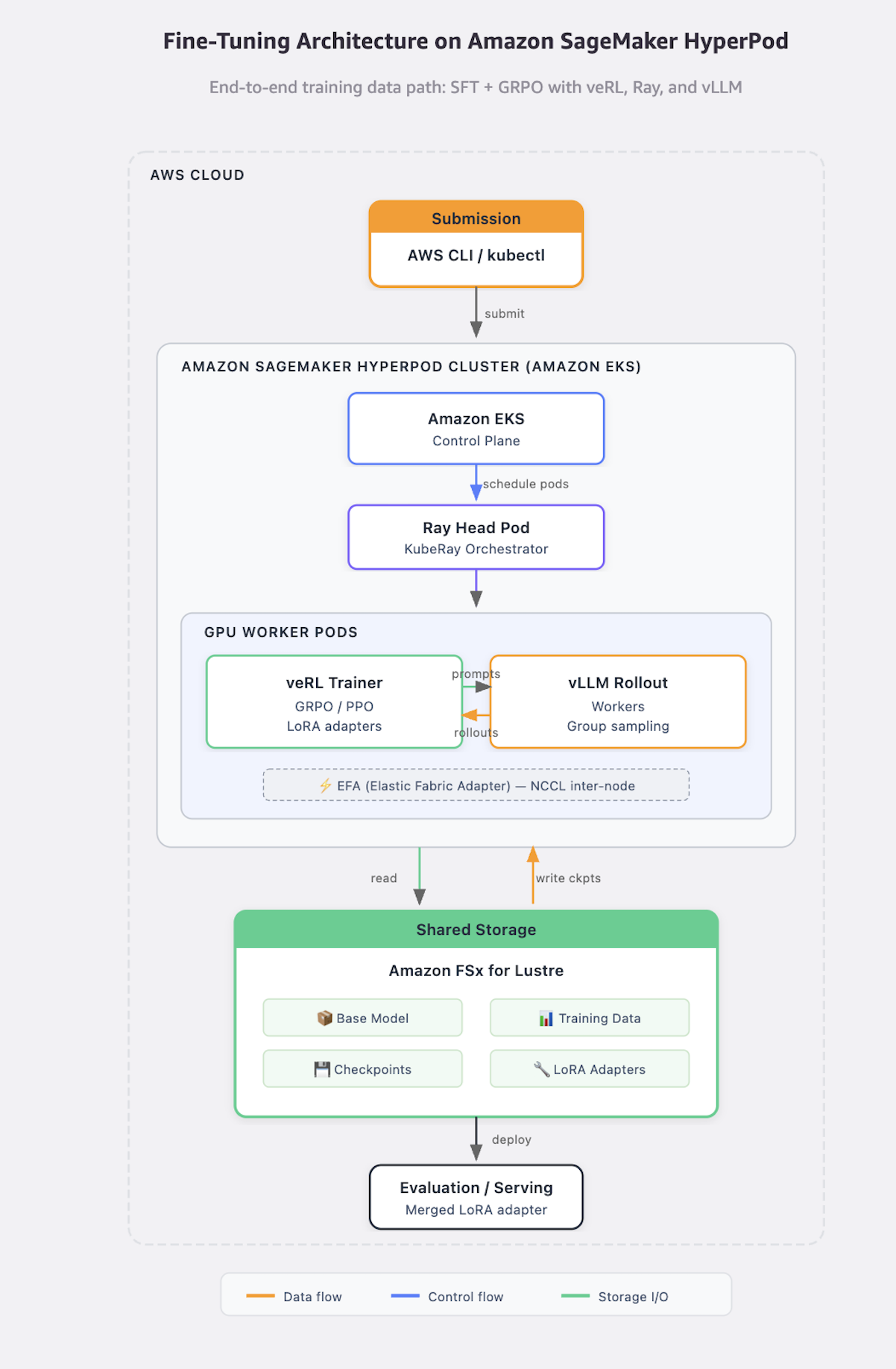
Fine-tuning GPT-OSS-20B for multilingual reasoning on Amazon SageMaker HyperPod
The AWS blog post discusses fine-tuning the GPT-OSS-20B model for multilingual reasoning using Amazon SageMaker HyperPod. It highlights the use of supervised fine-tuning (SFT) and reinforcement learning with GRPO, with SFT improving reasoning-language accuracy from 22% to 100%.
- Advanced (300)
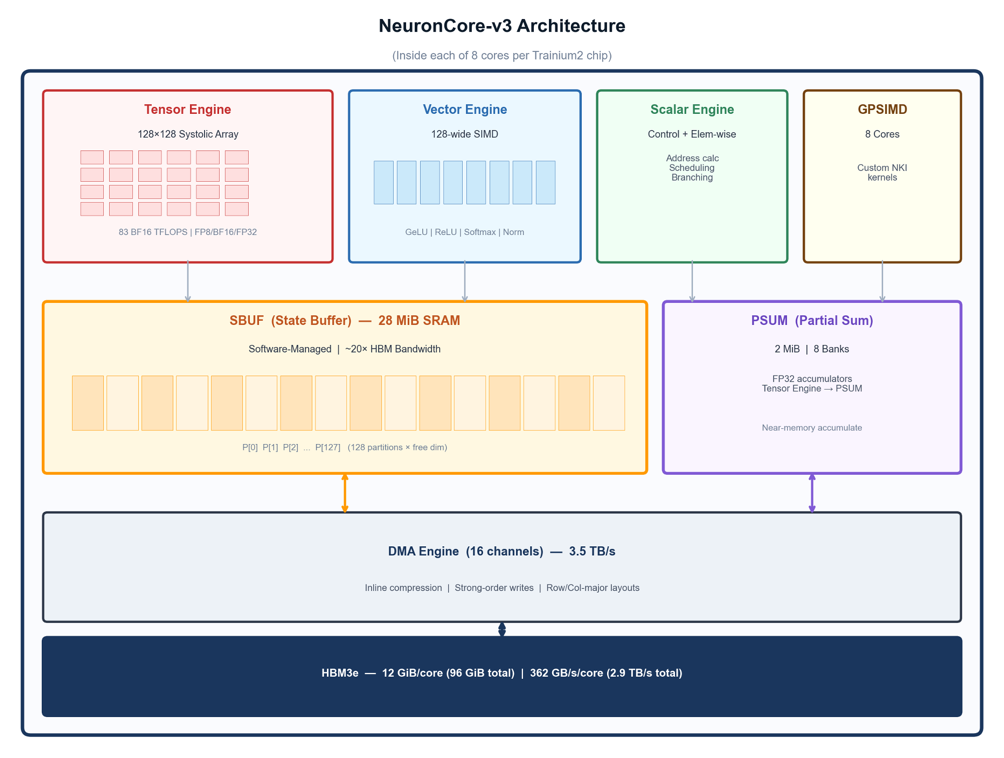
Beyond the KV cache: Training and serving i14’s Laplace 3B linear attention model on AWS Trainium2 with native PyTorch
i14 trained and served the Laplace 3B linear attention model on AWS Trainium2 using native PyTorch. The model maintains a fixed recurrent state of 29.5 MB per sequence, avoiding the growing key-value cache of transformer models and ensuring predictable memory usage.
