Percona Operator for MySQL 1.3.0 introduces autopilot tuning, zero-data-loss async failover, and encrypted point-in-time recovery, enhancing MySQL management on Kubernetes.

Percona Operator for MySQL 1.3.0 introduces autopilot tuning, zero-data-loss async failover, and encrypted point-in-time recovery, enhancing MySQL management on Kubernetes.
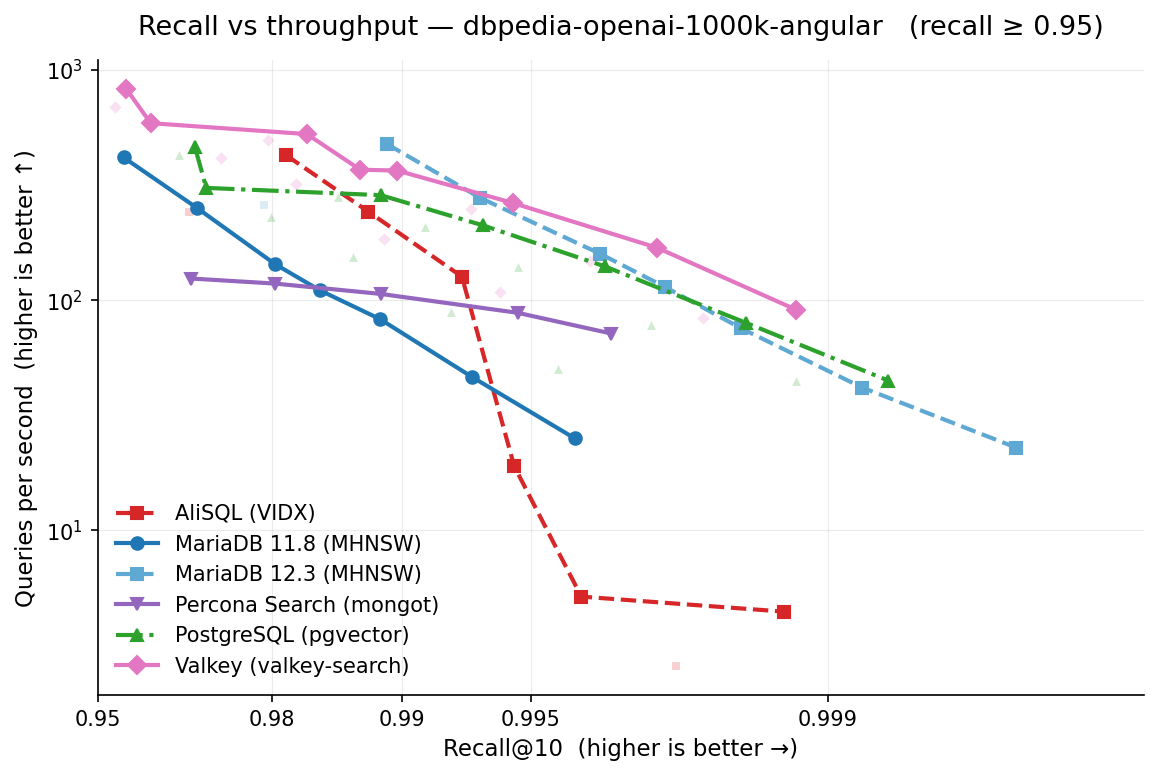
The study evaluated vector search performance by loading 990,000 OpenAI embeddings into six databases, building an HNSW index in each, and measuring various performance metrics. This helps developers understand vector search capabilities across different databases.
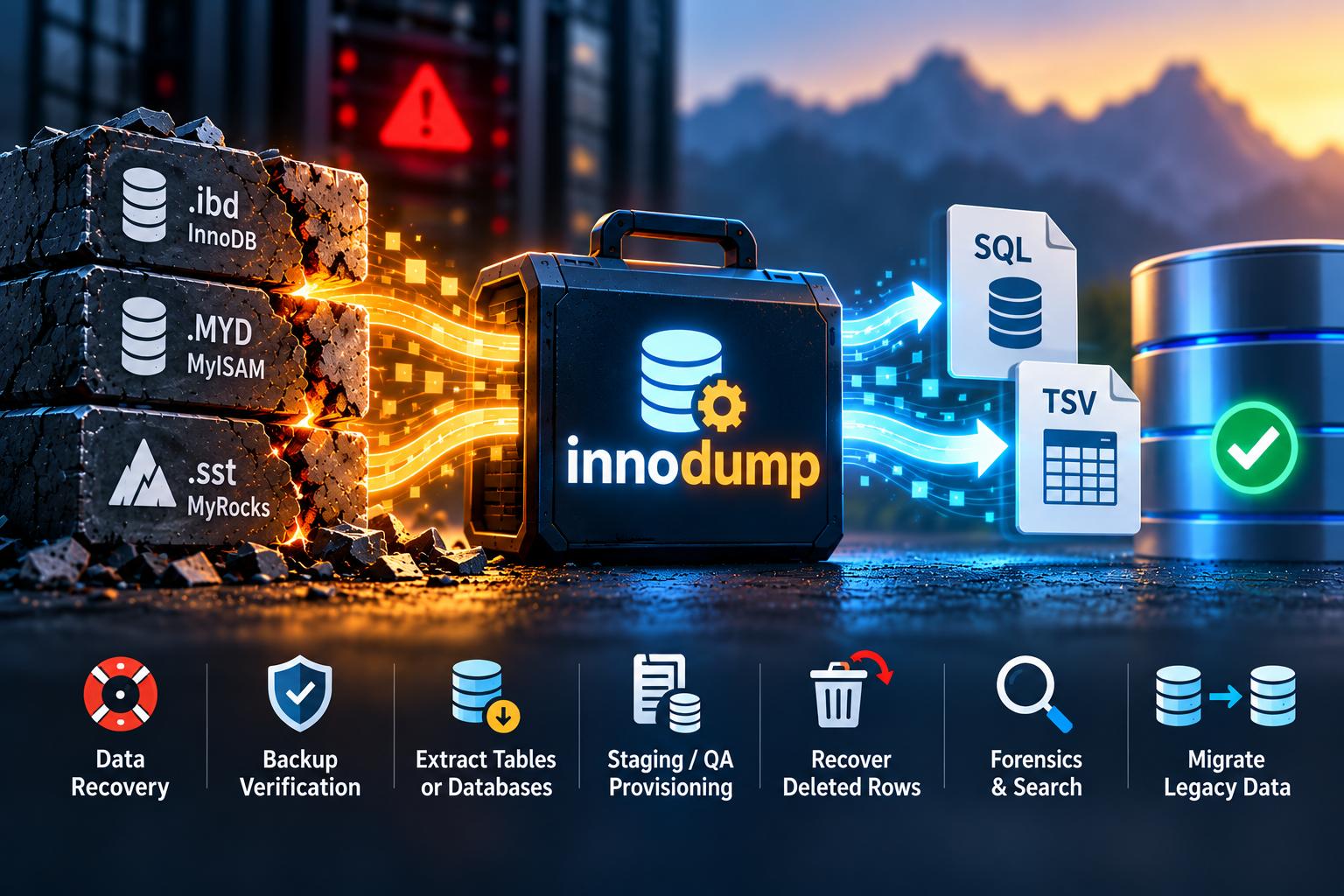
A tool that can extract data from raw database files without a running server is highly beneficial for database administrators. It allows offline data extraction from InnoDB, MyISAM, and MyRocks files, useful when the server is unavailable or for quick data recovery.
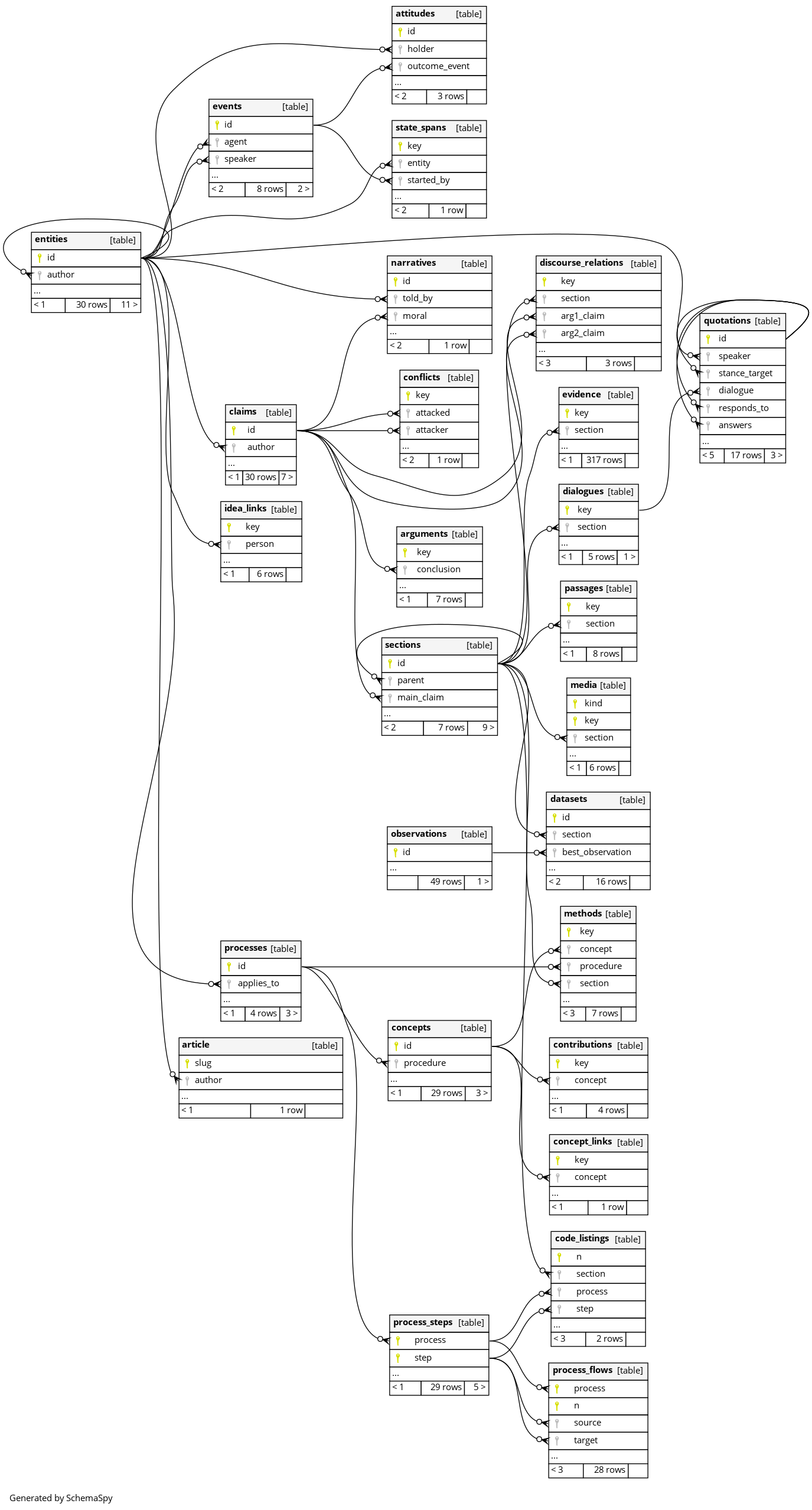
A study found that using a knowledge graph with SPARQL for AI agent memory queries resulted in higher accuracy compared to SQL. The choice between SQL and SPARQL should be based on personal experiments and specific needs.

Real Python introduces embeddings and vector databases with ChromaDB, explaining how relevant documents can provide context for LLMs. The supplied excerpt covers vector fundamentals and NumPy operations; the tutorial targets ChromaDB 1.5 and Python 3.12+.
FakeValkey acts as an in-memory test double for Valkey, allowing developers to conduct tests without a real server. It simulates server behavior within the test process, providing a fast and efficient testing environment.

DuckDB 2.0.0 introduces major features like the Quack protocol and asynchronous I/O, along with many usability improvements such as a Python appender for efficient data insertion and enhanced CLI commands. For full details, visit the "What's New in the Docs for 2.0" page.