The article discusses engineering an offline-first AI app for low-end Android devices, focusing on challenges like storage, cold start, and failure-path design, based on experiences in Nigeria and India.

The article discusses engineering an offline-first AI app for low-end Android devices, focusing on challenges like storage, cold start, and failure-path design, based on experiences in Nigeria and India.
Xcode 27 MCP increases token costs in the iOS Simulator by reading more text than RocketSim's CLI, impacting efficiency.

Google has introduced ML Drift, an open-source GPU compute engine for on-device AI and machine learning inference. It simplifies the complexities of different GPU hardware and low-level APIs, supporting OpenGL ES, OpenCL, Metal, and WebGPU.
The Maven Build Cache can significantly reduce build times in enterprise projects. This article discusses its introduction in Azure DevOps pipelines, the challenges faced, and the lessons learned.
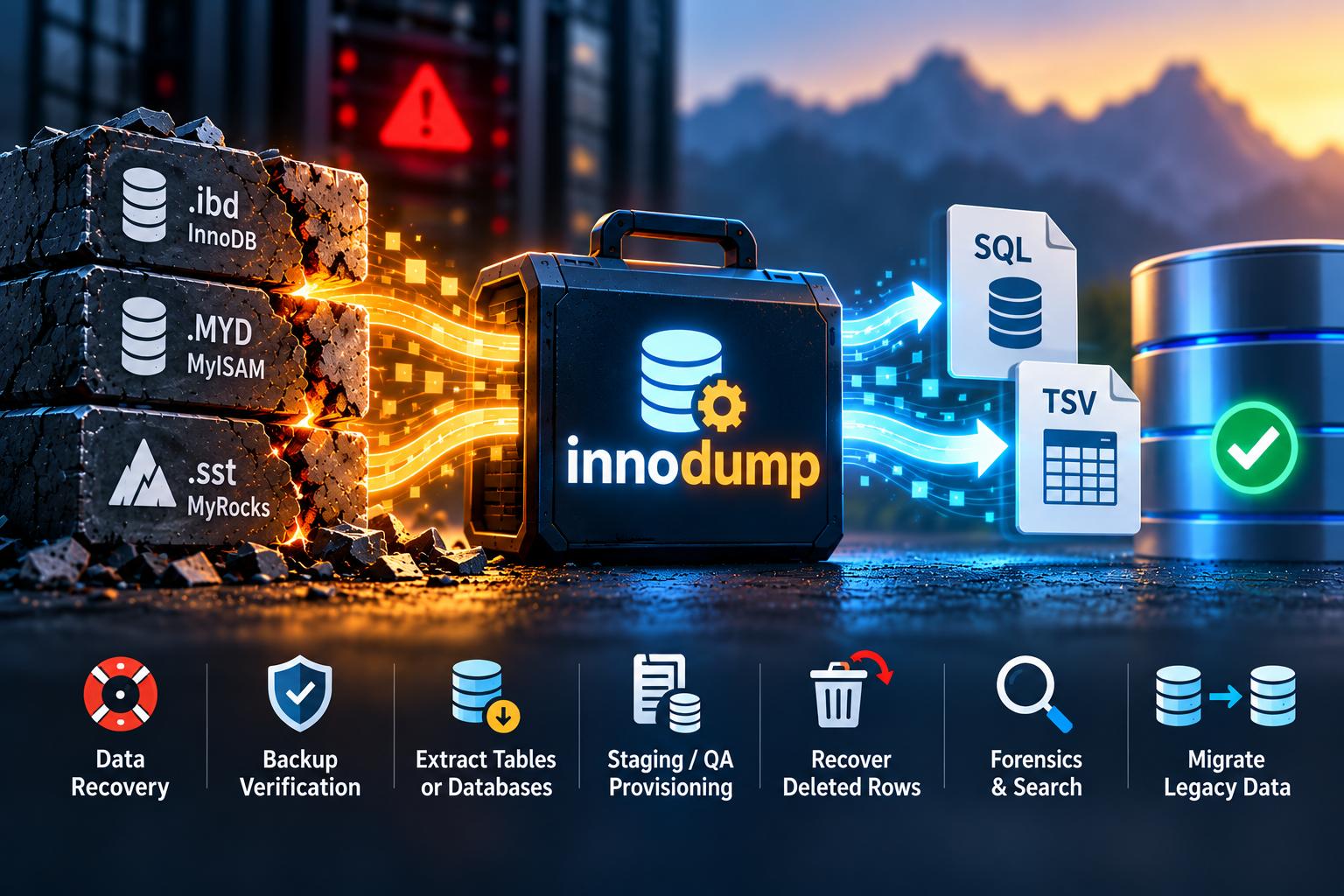
A tool that can extract data from raw database files without a running server is highly beneficial for database administrators. It allows offline data extraction from InnoDB, MyISAM, and MyRocks files, useful when the server is unavailable or for quick data recovery.
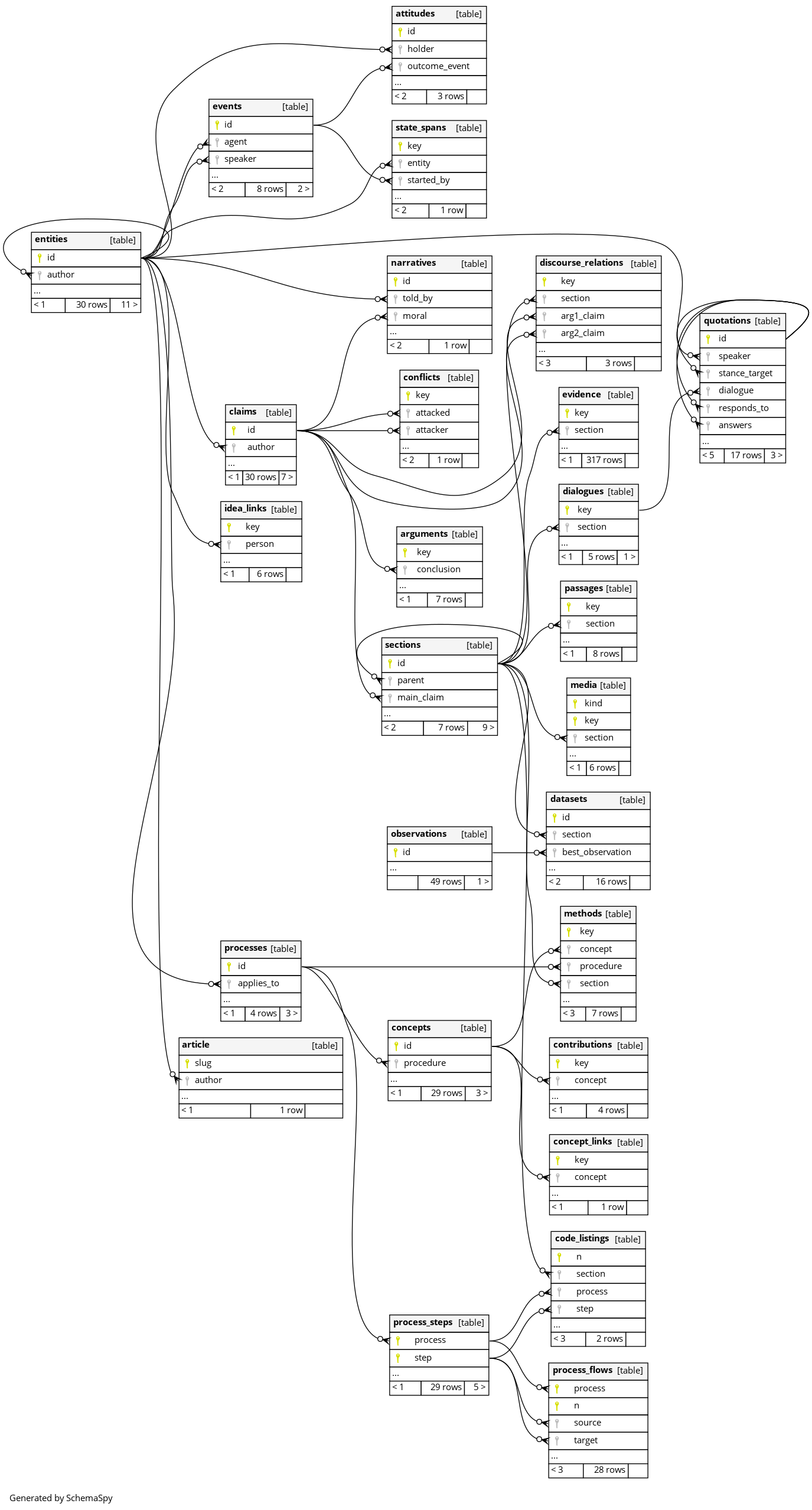
A study found that using a knowledge graph with SPARQL for AI agent memory queries resulted in higher accuracy compared to SQL. The choice between SQL and SPARQL should be based on personal experiments and specific needs.

The Secure Transaction Verification and Authorization (STVA) standard aims to provide a secure framework for transaction verification and authorization, addressing issues like Blind Signing and multisig UI attacks. It introduces structured metadata, independent simulation, and scoped capability tokens to enhance security.